



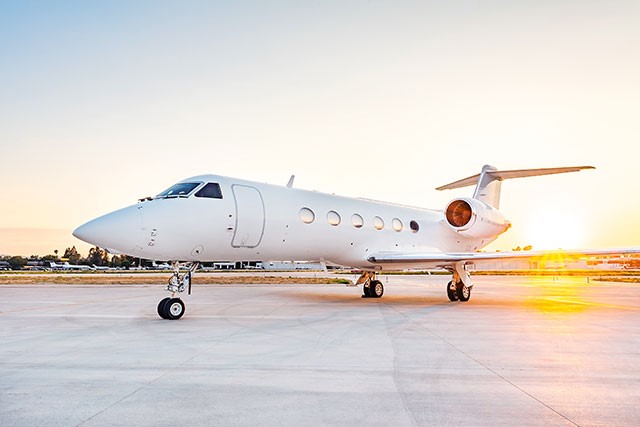
In recent news, it has been reported that the number of helicopters imported into the country has significantly increased. Transactions pertaining to aircraft, that is, purchases & sales, aircraft movement, passenger and cargo & mail traffic have also significantly gone up. This is consistent with data establishing that the number of wealthy Kenyans have gone up. For instance, the number of dollar millionaires in Kenya rose to 3,362 in the year 2021. A Knight Frank Wealth Report showed that the number of Kenyans with a net worth of at least 1 million dollars grew by 39 last year from 3,323 in 2020 and is expected to hit 4,274 by 2026.
Also, according to data from the Kenya Civil Aviation Authority (KCAA) and a report by the privacy shield program, the number of registered aircrafts in 2016 stood at 1388, a 20% growth from the year 2012 with key drivers of the growth being tourism and the growing air cargo business. Of interest is that out of the 1388 Kenyan aircraft officially registered with the KCAA, only 51% have valid airworthiness certificates. Out of these, over 80% were classified as small aircraft (certified maximum take-off weight of less than 10,000 Kgs) and 20% as large aircraft (certified maximum take-off weight exceeding 9,000 kilograms). In the small aircraft category, popular aircraft types such as Cessna, Piper, and Beechcraft dominate the category with over a 70% market share and large aircraft are dominated by Boeing, Embraer, de Havilland Canada (DHC 5- Dash 8 series) and Fokkers.
This information points to major investment opportunities for Kenyans in aircraft transactions such as in the importation of aircraft and/or aircraft parts. To keep up with KCAA requirements and current passenger demands for comfort, aircraft require part replacement, repair and/or refurbishment while others are simply too old and must be replaced with newer planes. Further with the completion of the expressway and expansion of airports such as JKIA to accommodate increased flight movements, it is reasonable to presume that the demand for aircraft and aircraft parts will generally increase.
So how does one go about purchasing their own set of wings.
The first step is obviously to do your research, preferably with the assistance of your tax, business and legal team as the purchase process can be long and complicated. Go view the plane and have a feel at it.
The second step is to execute a letter of offer which spells out the details of the intended sale such as price, deposit amount, terms of sale, etc. Most times, the letter of offer and the sale agreement will be drafted by the seller. Have your aviation lawyer on standby. Note to include an expiration date for the proposed deal, giving you the chance to withdraw if things go south or take longer than expected.
The third step is to put in a (5-10%) deposit at escrow.
The fourth step is to conduct a pre-purchase inspection with the aid of certified inspectors just to be sure that the aircraft is good to go and has no latent defects.
The fifth step would be to review and thereafter execute the sale agreement. The agreement will cover all the agreed terms including the purchase price, the deposit amount, terms of any refunds, the timing for each step, the location for the pre-purchase inspection, representations, and warranties. Other technical issues such as the condition of the aircraft, damage history, its equipment and its logbooks, specifications of the aircraft, where the aircraft is going to be registered, whether it needs to be deregistered, inspection rights and conditions to close, must all be set in the Agreement. Again, your aviation lawyer comes in handy at this stage.
The sixth step is Technical Acceptance. This happens after the inspection has occurred and any remedies or price adjustments have been agreed. You execute the Technical Acceptance, and the deposit typically becomes non-refundable at this stage.
The last step is closing and delivery. This step takes some time and entails a lot to coordination between the seller, buyer and the KCAA. Title is transferred and the aircraft registered to the new owner. Funds move into and out of escrow, the aircraft is insured by the new owner, and physical delivery is made.
Other critical things to consider in an aircraft transaction include tax planning, financing, crew staffing, hangar, aircraft maintenance and management etc. If you have a good team of advisors, they will make sure all of these steps go smoothly.
Related Posts

Aviation Accidents
INTRODUCTION When asked about the professionals involved in Aviation most people instantly think of pilots.…
Clean Aviation is the Future
The cost air travel is closely linked to the cost of jet fuel. With effects…

Uber Bv & Others V Aslam & Others
Uber Bv & Others (Appellants) V Aslam & Others (Respondents) [2021] Uksc 5 Upshot This…

The Hague Court Of Arbitration For Aviation
Introduction In July 2022, The Hague Court of Arbitration for Aviation (The Hague CAA) launched…


